All Courses
A fire marshal is a person who is responsible for fire safety and prevention. This training is designed to familiarize those designates with knowledge and ability in a variety of duties including:
- Enforcing fire codes
- Investigating the cause and origin of fires
- Advising on fire safety issues to the government
- Developing and enforcing fire safety regulations, policies, and programs
- Working with municipalities, fire departments, and other organizations to promote fire safety
Fire preparedness involves planning and practicing fire escape routes, testing smoke detectors, and having a working fire extinguisher. This training includes;
- Fire prevention plan: Understand how to spot & mitigate fire hazards, fire & hazardous
materials, types of fire protection, maintenance & inspection records
- Fire escape plan: Practice your fire escape route and include a designated meeting place, and any special assistance or requirements
- Common Hazards: Understand the most common causes of fires and how you can prevent them
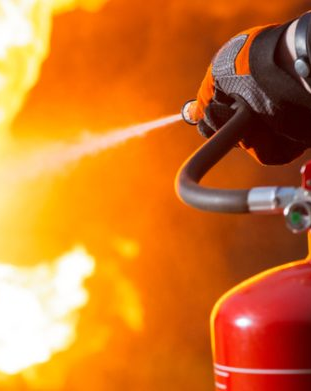
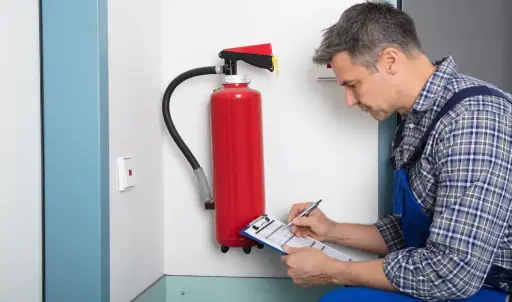
- Fire extinguishers: Specialty protection & extinguisher types, monthly inspection, data recording, required service
Electrical safety: Inspect electrical cords and appliances for damage.
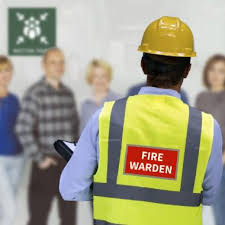
A fire watch is a short-term, emergency measure to provide an acceptable level of life safety in an unsafe or hazardous conditions existing in a building or structures.This course will share:
- Requirements & liability requirements - when a fire watch is necessary
- Duties & responsibilities during a fire watch
- Proper recording & reporting procedures
This program is designed as a self-paced online course, aimed at any workplace staff, supervisors, and facility managers in Manitoba. The content emphasizes practical, compliance-focused learning that will provide you with the competency required by NFPA code to perform Monthly Fire Extinguisher Inspections in Manitoba.
The objectives for this training are:
1.) Understand legal requirements
2.) Be
able to perform safe inspections
3.) Document your actions,
4.) Know
how to report deficiencies
5.) Know who to report
those deficiencies to